
Most furnace problems in Fort Wayne come down to five things. A dirty flame sensor. A failed ignitor. A clogged filter choking the airflow. A pressure switch that won't close. Or a blower motor on its way out.
The first four are small parts and quick work for a tech who does this all day. The blower motor is a bigger job.
A cracked heat exchanger is a different conversation, and it usually ends in a new furnace rather than a repair.
This page walks through what goes wrong, when a repair stops being worth it, and what the rules are in Allen County. Tell us about the job and we'll pass it to a local HVAC contractor serving your area.
Heating and cooling are the same trade, and the same contractors do both. If it's your air conditioning rather than your furnace, start with air conditioning repair in Fort Wayne.
What are the possible reasons why my house heater isn't working?
If your furnace won't run, it's usually the thermostat, the power, a safety switch doing its job, or a failed part. Check the thermostat's set to heat and the batteries are good. Check the furnace switch on the wall and the breaker. Check the filter. If all three are fine, the furnace is shutting itself down for a reason, and that reason needs finding.
Go in that order. The cheap causes are also the common ones.
The thermostat. Dead batteries, set to cool, or a loose wire. You'd be surprised how often it's this on the first cold night of the year.
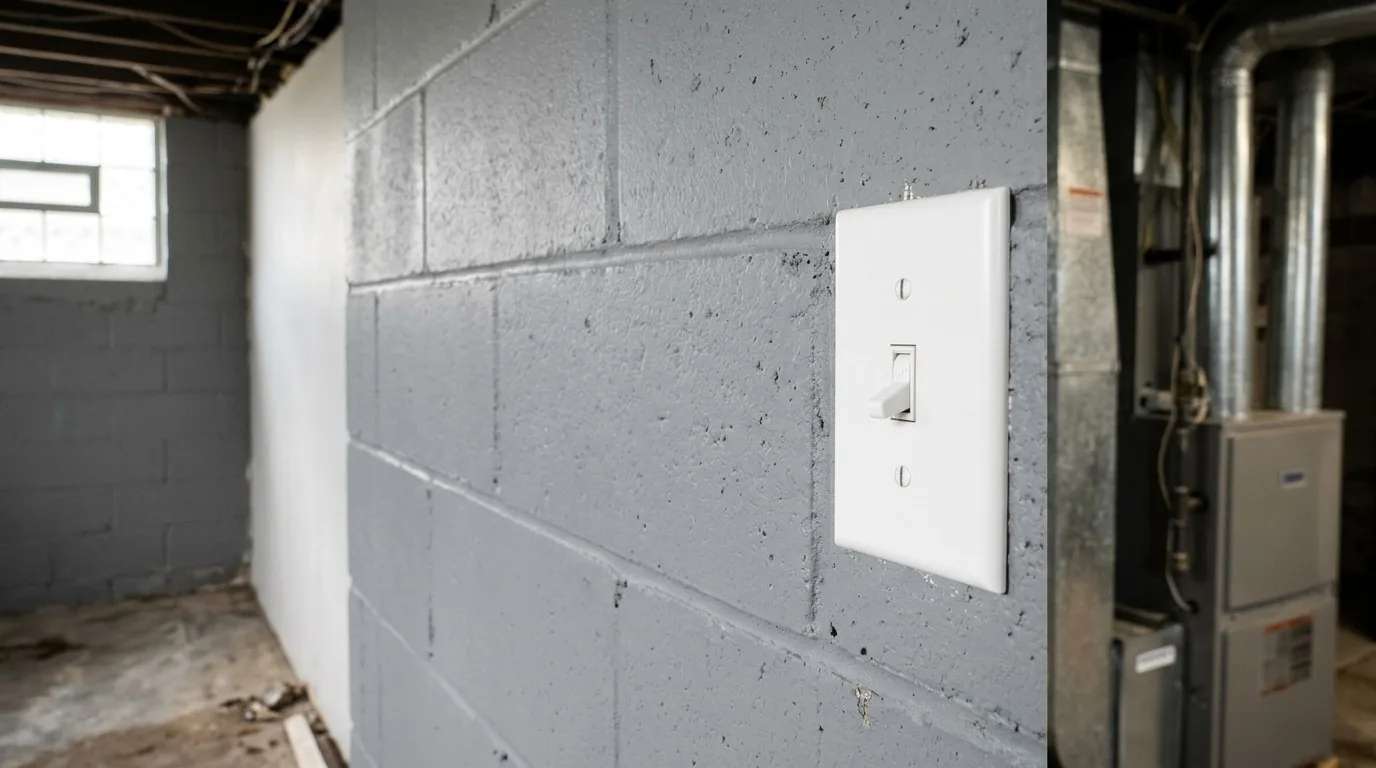
Power. Most furnaces have a plain light switch on or near them that looks like it belongs to the room. Someone flips it off and nobody remembers.
There's a breaker too. Check both.
The filter. A clogged filter starves the blower of air. The furnace overheats, the limit switch shuts it down, and it runs a few minutes, stops, and starts again, over and over. Techs call that short cycling.
A filter costs a few dollars. It's the single most common cause of a service call that didn't need to happen.
A safety device. The flame sensor, the pressure switch and the limit switch are all there to shut the furnace off when something's wrong. When one trips, the furnace is protecting you. Reset it without fixing the cause and you'll probably be sitting in a cold house at 2am a week later.
Got no heat right now? What to check before you call takes you through it step by step.
When to call a furnace repairman?
Call when the furnace isn't putting out heat and the thermostat, the power switch and the filter all check out. Call right away, not in the morning, if you see soot around the furnace or hear a loud bang when it lights. A gas smell or a carbon monoxide alarm is not a repair call at all, and it's the one thing on this page that can't wait.
If you smell gas or your carbon monoxide alarm goes off, get everyone out of the house and call 911 from outside. Don't go back in until emergency responders or the gas utility say it's safe, and don't call a repair company and wait for them.
Everything else is a judgement call about cost and comfort.
A furnace that runs but doesn't heat well is less urgent than one that's stopped, though that changes fast if the house is cold or there's a baby or an older person in it. One that's cycling on and off every few minutes needs looking at, because something's overheating.
Hear metal scraping? Switch the furnace off and have it checked. A scraping noise can mean the blower wheel is rubbing against its housing, and continuing to run it could cause more damage.
What is considered a major repair for HVAC?
A major repair is one where the part runs more than a few hundred dollars and takes real labor to put in: a heat exchanger, a blower motor, a control board, or a compressor on the cooling side. A flame sensor, an ignitor, a capacitor or a pressure switch are minor repairs, usually done in one visit with parts off the van.
That's also where the repair-or-replace conversation starts.
A cracked heat exchanger ends that conversation pretty quickly. It's the metal chamber that keeps combustion gases away from the air you breathe, and a crack means carbon monoxide can get into the house.
Nobody patches one.
If the furnace is out of warranty, that's usually the point where replacing the furnace costs less than fixing it. A blower motor is the common expensive repair that's still often worth doing, especially on a furnace under fifteen years old.
Should I turn my furnace off if it's blowing cold air?
Not always, and it depends what else it's doing. Cold air at the vents while the burners are lit usually just means the furnace is in its normal start-up delay, which lasts a minute or two. Cold air with no burner at all usually means it tried to light, failed and locked out. Switch that one off until someone takes a look.
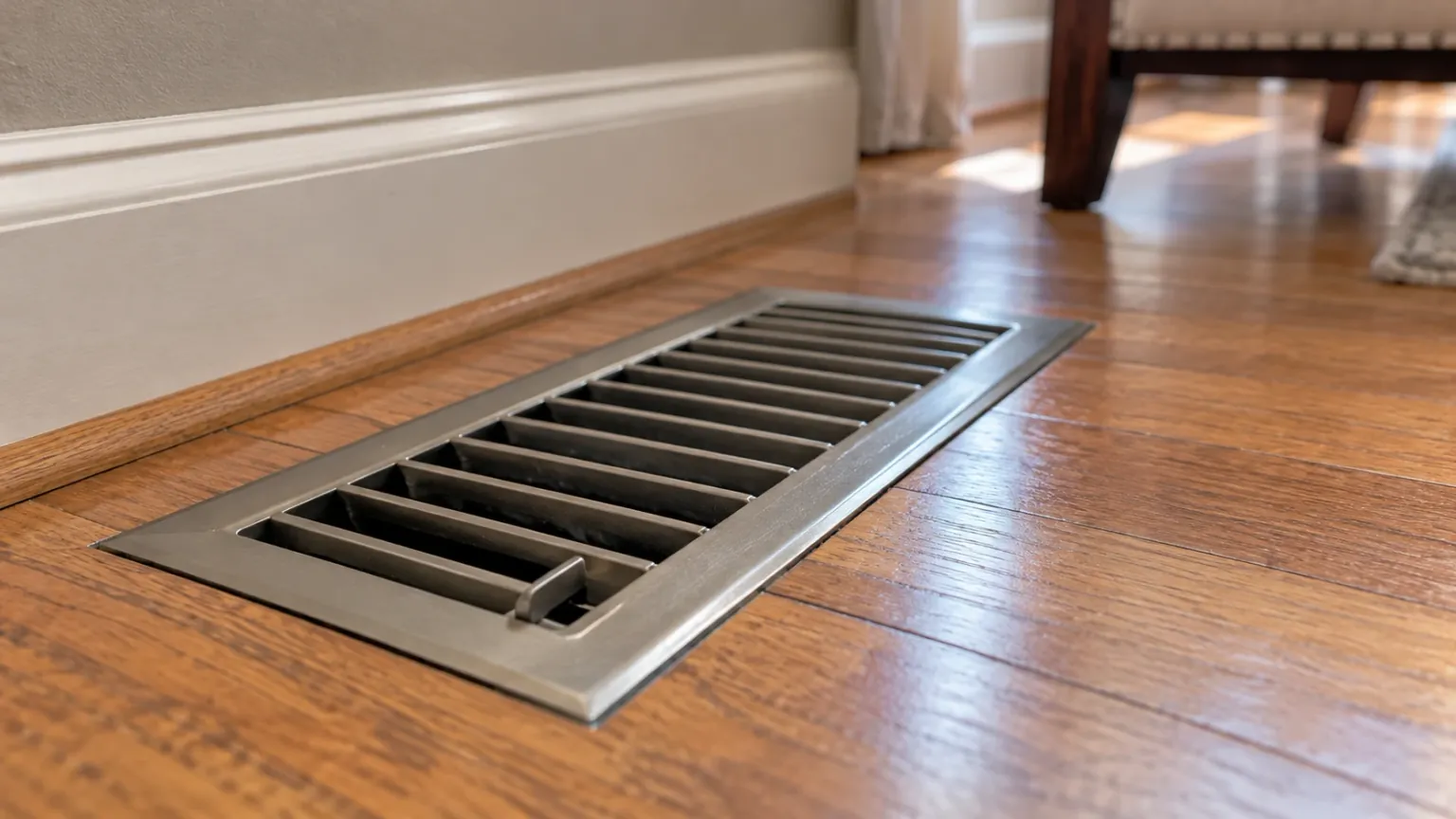
Here's the quick version.
- Cold for the first minute, then warm. Normal. On some models the blower starts before the heat exchanger is up to temperature.
- Cold air and the fan never stops. Check whether the thermostat fan is set to "on" instead of "auto". That alone fixes it more often than you'd think.
- Clicks, tries to light three times, goes quiet. The furnace may have gone into ignition lockout. A dirty flame sensor is one possible cause, but the symptoms alone don't tell you which component is responsible.
- Cold air plus a burning smell or soot. Switch it off at the wall and get someone out.
What the rules are in Allen County
Indiana doesn't license HVAC contractors at state level. Plumbing is the only trade the state licenses, through the Indiana Plumbing Commission. Heating and cooling is handled locally, and in Fort Wayne that means the Allen County Building Department, which issues its own contractor, supervisor and journeyman licenses.
The county doesn't leave much wiggle room. Any person, firm or corporation that contracts to install heating, ventilating, air conditioning and duct systems has to hold a license from the Department.
Two things come out of that, and you'll want to know them before you hire anyone.
Mechanical and HVAC alterations need a permit. That's the Allen County Building Department's own rule. Ask whether your job needs one and who's responsible for getting it, because if it does and your contractor can't pull one, that tells you something.
An Indiana license doesn't travel. A license from Indianapolis doesn't count here. Each city and county registers on its own, so a company working across the state holds several.
Separately, anyone handling refrigerant needs EPA Section 608 certification. That's federal and applies everywhere. It covers air conditioning and heat pump work, not a gas furnace repair.
The licensing office is at 200 East Berry Street, Suite 180. The number is (260) 449-7131, and you can call and ask whether a license is current.
What a furnace repair visit involves
A straightforward repair is one visit. The tech checks the thermostat call, the power, the filter and the airflow, then follows the furnace's own fault code if it has one. Most furnaces made since the 1990s flash a diagnostic code on a small light behind the access panel.
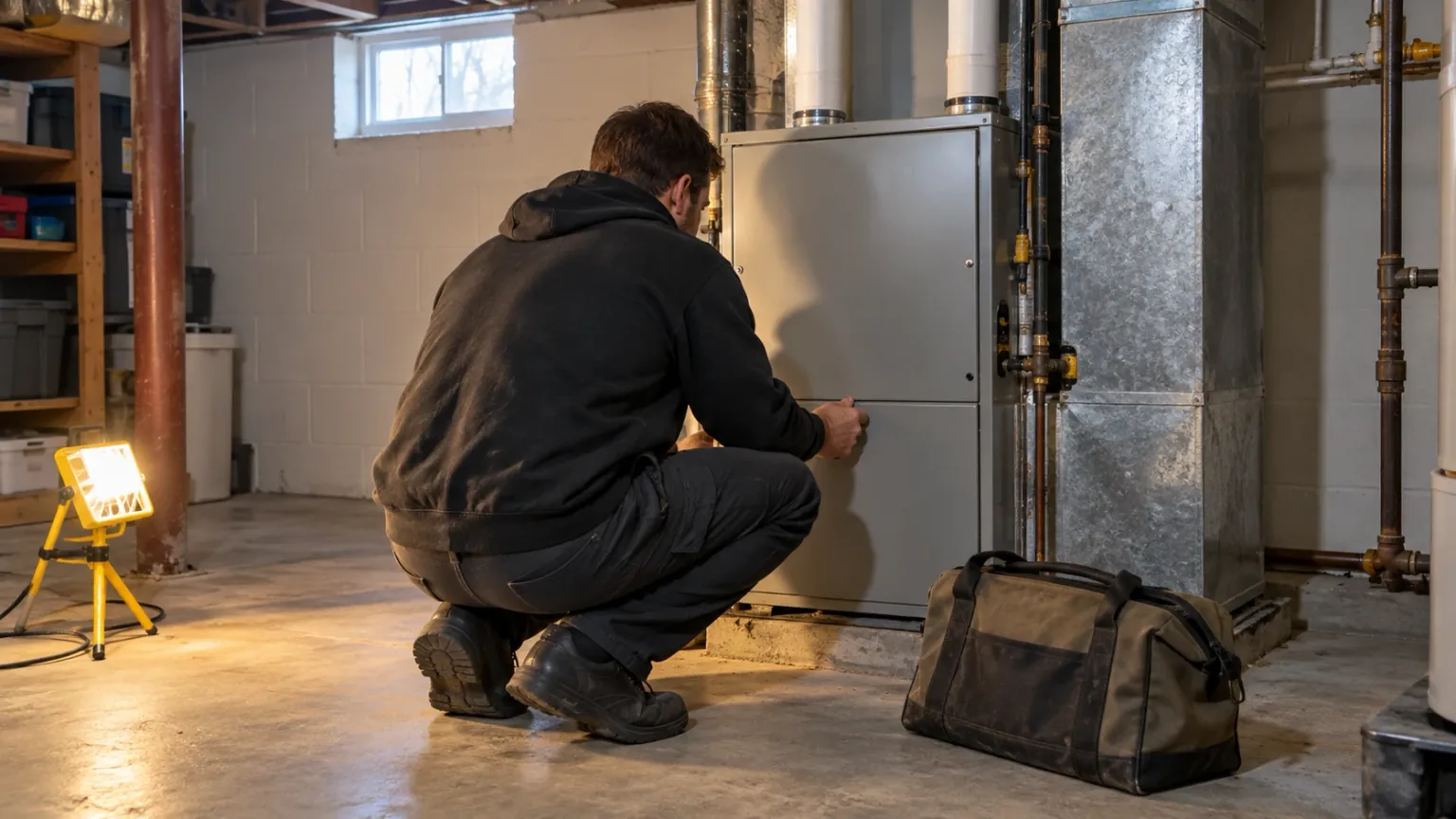
From there it's testing the parts in the order the furnace uses them. Ignitor, gas valve, flame sensor, pressure switch, limit switch, blower.
A good tech shows you the failed part and tells you why it failed. A flame sensor coated in white residue. A filter so packed you could stand it up on its own. A blower wheel caked in dust. Once you see it, the cause usually explains itself.
Ask about airflow specifically.
A furnace fighting restricted airflow runs hotter than it should, and that shortens the life of the heat exchanger. Ductwork, filter and return air all play into it, and it affects your heating bill and your indoor air quality both.
Questions people ask
Does Indiana require a HVAC license?
Not at state level. Indiana licenses plumbing through the Indiana Plumbing Commission, but heating and cooling licensing is local. In Fort Wayne the Allen County Building Department licenses HVAC contractors, supervisors and journeymen, and its rules require a license for anyone contracting to install heating, ventilating, air conditioning or duct systems.
A license from another Indiana city doesn't count here. Anyone handling refrigerant also needs federal EPA Section 608 certification.
How long do furnaces typically last?
Longer than most people are told. The Department of Energy's own analysis, in the rulemaking that set the current furnace standard, puts the average life of a gas furnace at about 21.5 years. That's a national average rather than an Indiana one, but it's the figure the government works from.
You'll often see 15 to 20 years quoted instead. Maintenance, airflow and how hard the furnace has had to work all move that number. A well-kept furnace in a properly sized system outlasts a neglected one by years.
What is the $5000 rule for HVAC?
It's a rule of thumb, not a regulation. Multiply the age of the unit in years by the cost of the repair. Over 5,000, lean toward replacing. Under, lean toward repairing.
A $400 repair on a 10 year old furnace gives you 4,000, so repair it. The same repair on a 20 year old furnace gives you 8,000, so think about replacing.
Use it to start the conversation, not end it. It ignores efficiency, warranty, and whether you're staying in the house.
How much does a furnace service cost?
Depends whether you mean a maintenance visit or a repair. A seasonal tune-up is the cheaper of the two and is priced as a flat service. A repair is a diagnostic fee plus parts and labor, and the diagnostic is often credited against the work if you go ahead with it.
Prices in Fort Wayne vary from company to company, which is exactly why it's worth getting more than one quote. What furnace repair and replacement costs here goes through the ranges.
Is a higher AFUE furnace worth it?
AFUE is the share of fuel that turns into heat in your house instead of going up the flue. Federal rules set the minimum at 80% for most new gas furnaces, and ENERGY STAR requires 97% or better in northern states like Indiana.
A 2012 Department of Energy guideline puts the payback on going from a 78% furnace to a 90% one at around nine years, for a home spending $1,000 a year on heat. Costs have moved since. It comes down to how long you're staying.
My heat is electric, not gas. Is this page for me?
Partly. About a quarter of Allen County homes heat with electricity rather than gas. The thermostat and the breaker are worth checking whatever you have, and a central system will have a filter. What won't apply is the gas side: the burners, the ignitor, the flame sensor. A heat pump is a different machine with different problems, and an outdoor unit a furnace doesn't have.
Furnace repair, replacement and maintenance
 Emergency
No heat in Fort Wayne? What to check first, how to keep the house warm safely overnight, and how to get a local contractor out to you.
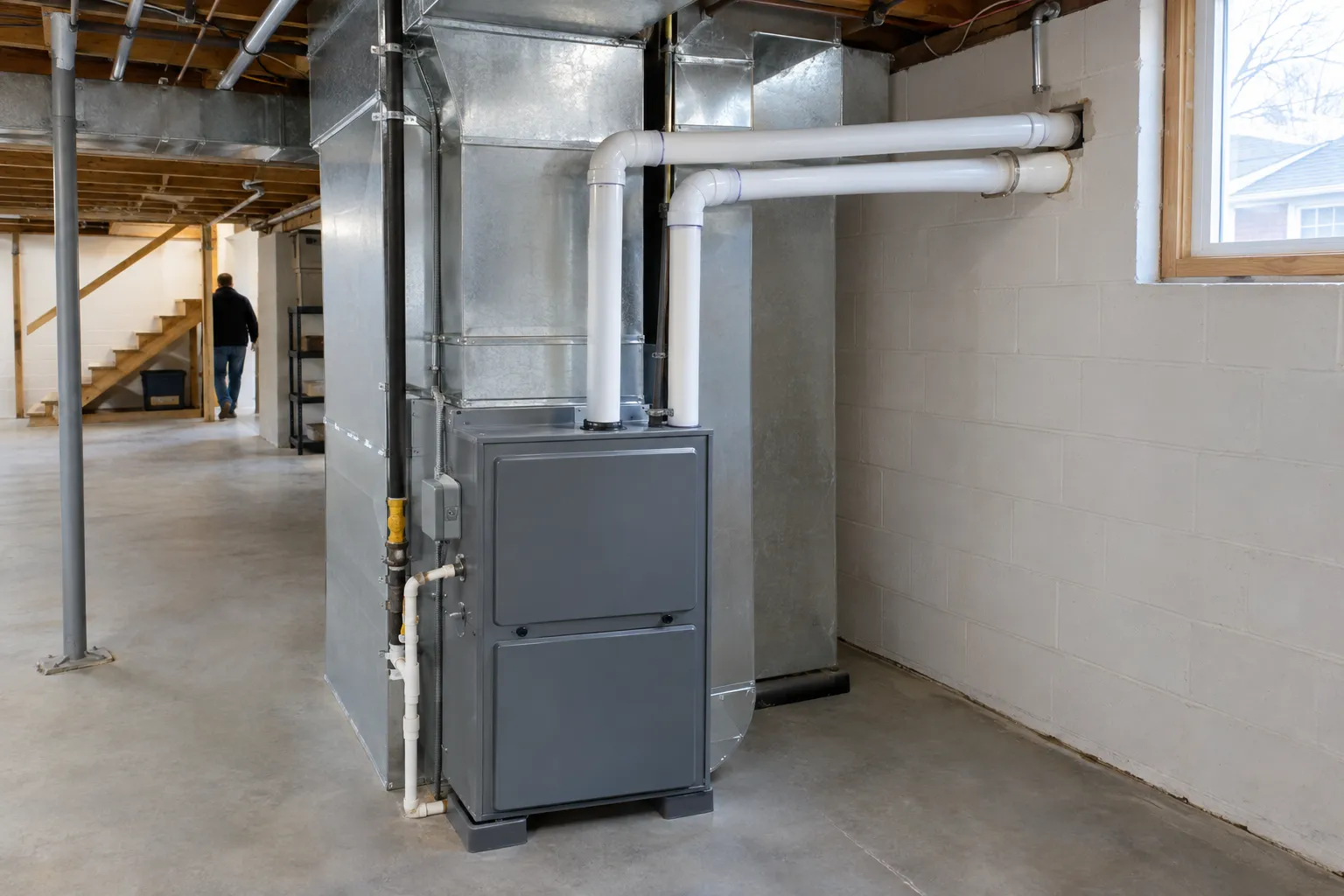 Replacement
When a furnace is worth replacing instead of repairing, what size and efficiency to buy in Indiana, what the job involves, and what to ask…
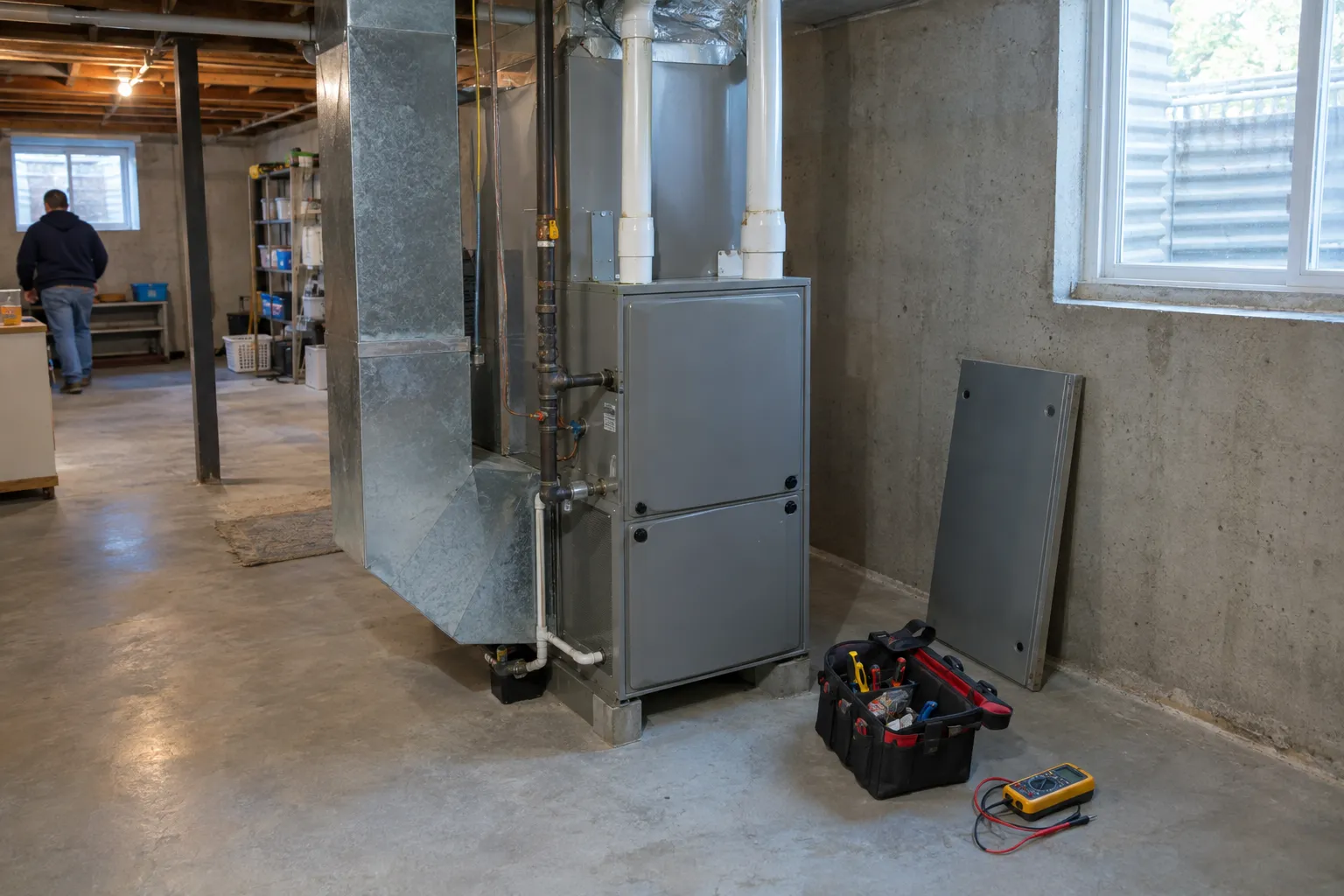 Costs
What furnace repair and replacement cost in Fort Wayne: typical ranges by part, what moves the price, and why the published numbers…
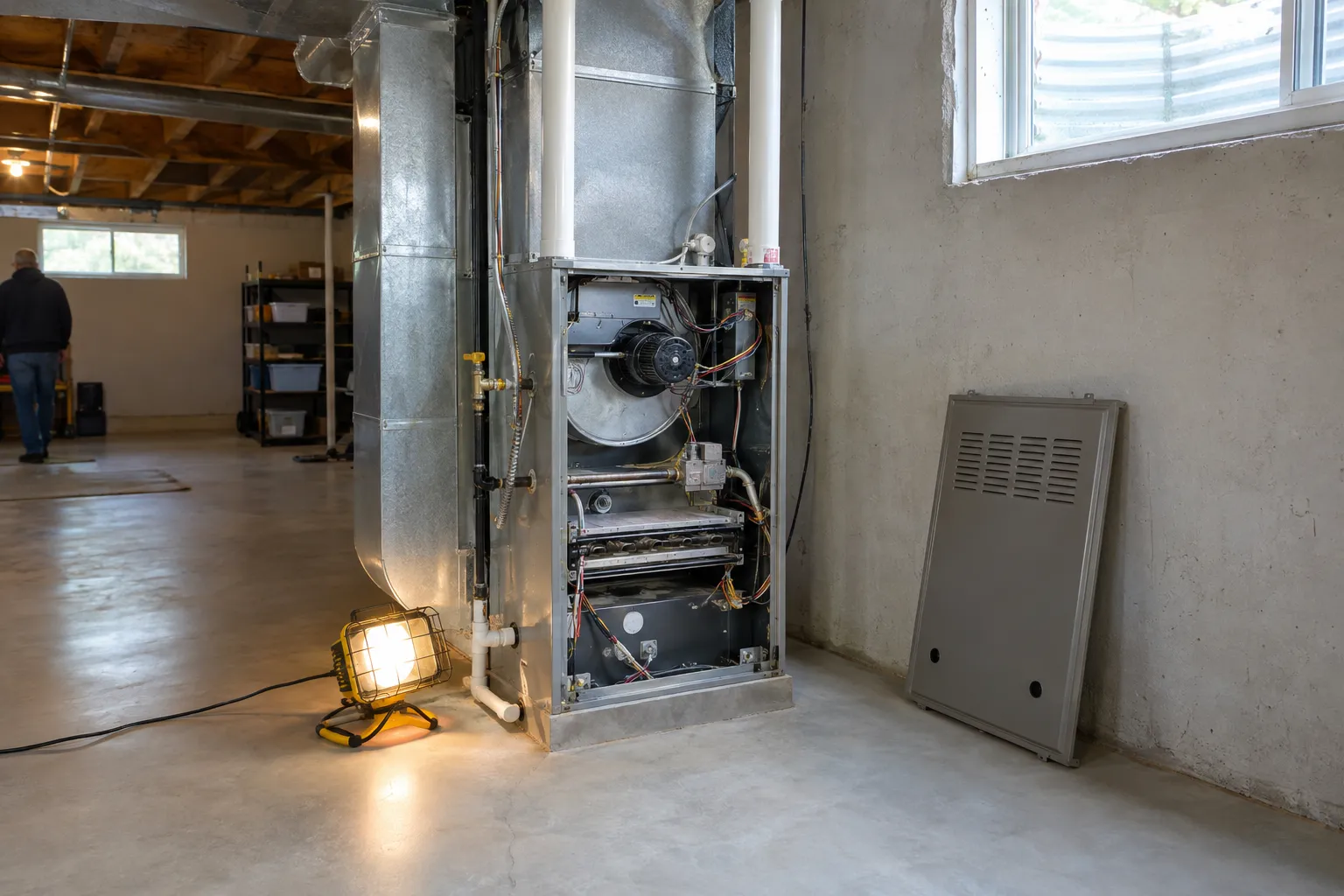 Maintenance
What a furnace tune-up actually includes, how often it is needed, what it costs in Fort Wayne, and how to tell a real service from a sales…
Air conditioning repair and replacement in Fort Wayne
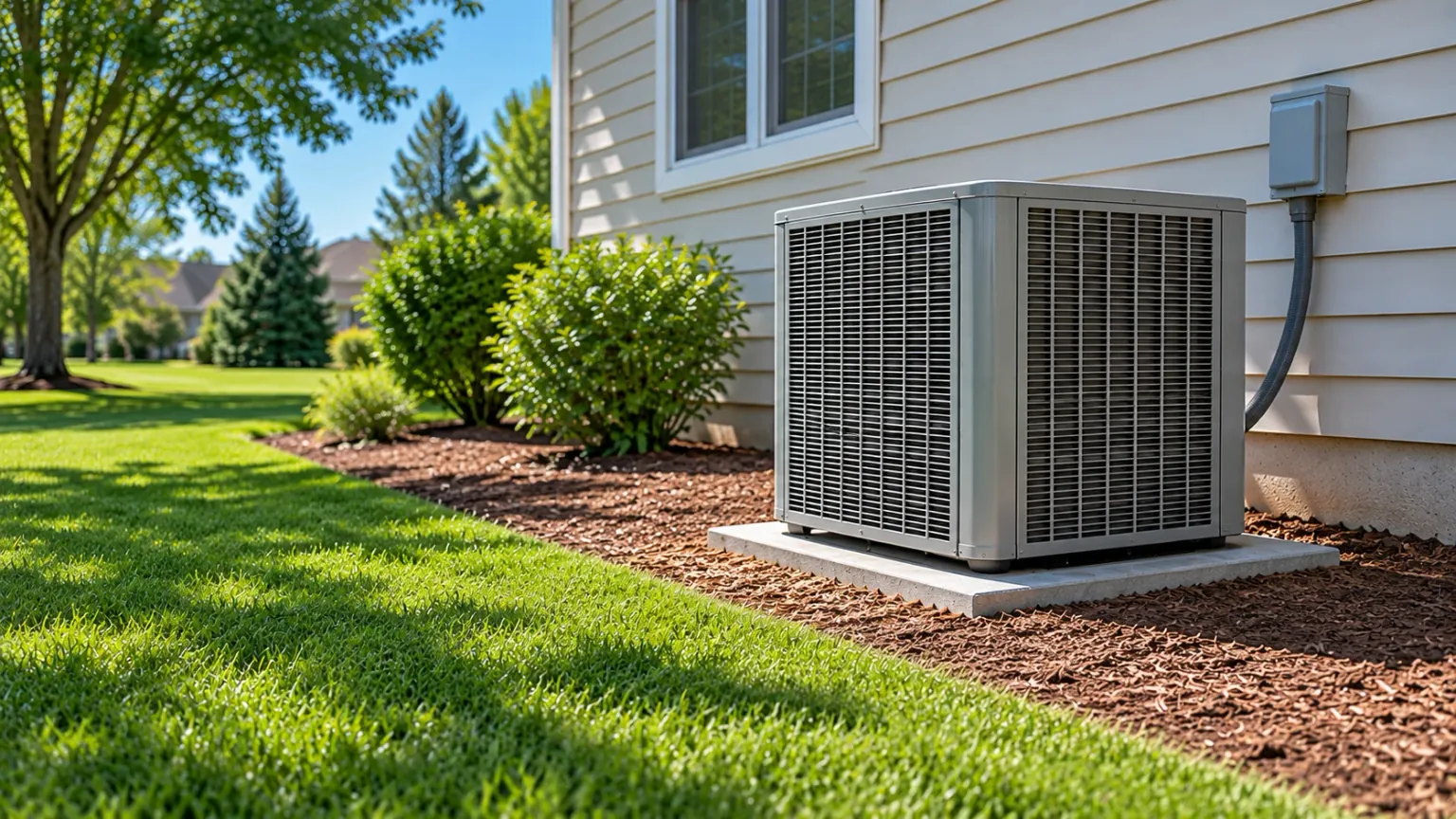 Repair
Why an air conditioner stops cooling, what the common repairs cost, what the refrigerant rules mean for an older system, and how to get…
 Emergency
AC out in a heat wave? What to check first, how to keep the house cool and safe, when it is genuinely urgent, and how to get a local…
 Replacement
When replacing an air conditioner beats repairing it, what the refrigerant changes mean, why matching the indoor unit matters, and what to…
 Costs
What it costs to replace an air conditioner in Fort Wayne: what the published guides say, what moves your quote, and why Indiana's…
Heating and cooling in Fort Wayne
 Heat pumps
Furnace vs heat pump in Fort Wayne: how each heats, cold weather performance, backup heat, what it does to your bills, and what to ask…
Sources
- US Census Bureau, American Community Survey 2024, house heating fuel in Allen County, Indiana
- Allen County Building Department, Contractor Licensing
- Allen County Building Department, Rules and Regulations, 19th edition
- Allen County Building Department, Residential Permit Guide, March 2026
- US Department of Energy, energy conservation standards for consumer furnaces
- ENERGY STAR key product criteria for furnaces
- US Environmental Protection Agency, Section 608 technician certification
Last updated